
 (619) 230-0330


Citizenship and Naturalization Lawyers
Helping Permanent Residents Become U.S. Citizens
Becoming a U.S. citizen lets you vote, hold a U.S. passport, stop renewing a green card and help more of your family immigrate. The application, Form N-400, looks simple, but it asks about your entire history, and USCIS now reviews that history more closely than it did a few years ago. Banker’s Hill Law Firm, A.P.C. helps permanent residents across the United States decide when to apply, prepare a complete application and get ready for the interview. We work from our San Diego office in English and Spanish.
Contact our office today for a Free Evaluation of your citizenship case.
Who Can Apply for Citizenship
Most applicants qualify through one of two paths. You must be at least 18 when you file, and you can file up to 90 days before you reach the required years of permanent residence.
| Requirement | 5-year path | 3-year path (spouse of a U.S. citizen) |
|---|---|---|
| Time as a permanent resident | 5 years | 3 years |
| Continuous residence | 5 years before filing | 3 years before filing |
| Physical presence in the U.S. | At least 30 months | At least 18 months |
| Time in your state or USCIS district | 3 months before filing | 3 months before filing |
| Marriage | Not required | Married to and living with your U.S. citizen spouse for the 3 years before filing |
You must also show good moral character, pass the English and civics tests unless an exception applies, and support the principles of the U.S. Constitution. Service members and veterans may qualify sooner, and current and former service members who apply under the military naturalization provisions pay no filing fee.
Long Trips Abroad
A trip of more than six months but less than a year is presumed to break your continuous residence unless you can show you kept your life here, such as your home, job and taxes. A trip of a year or more breaks it. Before you file, a citizenship lawyer counts your days abroad and decides whether you are ready or should wait.
The Naturalization Process Step by Step
- File Form N-400: You file online or on paper. The USCIS fee is currently $710 online or $760 on paper, with biometrics included. A reduced fee of $380 is available on paper if your household income is at or below 400% of the federal poverty guidelines. A full fee waiver (Form I-912) is available on paper if you receive a means-tested benefit, your income is at or below 150% of the guidelines, or you face financial hardship.
- Biometrics: USCIS takes your fingerprints, photo and signature for background checks.
- Interview and tests: An officer reviews your application under oath and gives the English and civics tests.
- Decision: USCIS approves, denies, or continues your case if it needs more evidence or you need to retake a test.
- Oath of Allegiance: You become a citizen when you take the oath, sometimes on the same day as your interview. You return your green card at the ceremony.
In June 2026, DHS proposed raising the N-400 fee and ending the reduced fee and fee waivers. As of November 2026, that rule is not final, so the current fees still apply.
The Citizenship Test
If you filed on or after October 20, 2025, you take the 2025 civics test. The officer asks up to 20 questions from a list of 128, and you pass by answering 12 correctly. For English, you must read one of three sentences correctly, write one of three sentences correctly, and show you can speak English during the interview. If you fail either test, you get a second chance, usually 60 to 90 days later.
Exceptions to the English and Civics Tests
- 50/20: If you are 50 or older and have been a permanent resident for 20 years, you can skip the English test and take civics in your own language.
- 55/15: The same applies if you are 55 or older with 15 years as a permanent resident.
- 65/20: If you are 65 or older and have been a permanent resident for 20 years, you can skip the English test, take civics in your own language, and study a shorter set of 20 civics questions. The officer asks 10 of them, and you must answer 6 correctly.
- Disability: A licensed doctor or clinical psychologist can complete Form N-648 if a physical or mental condition prevents you from learning English or civics.
Good Moral Character and What Can Stop Your Case
Good moral character is one of the most common reasons naturalization cases are delayed or denied. Since August 2025, USCIS officers weigh your whole record. Positive factors such as steady work, paying taxes and caring for your family count in your favor, but officers can also hold conduct against you that falls short of community standards, even if it never led to a conviction. In August 2026, USCIS stopped routinely waiving neighborhood investigations, and applicants may now submit character reference letters. A November 2026 memo tells officers to look closely at whether you have supported your dependents, met any obligations you took on as a financial sponsor on Form I-864, and received public benefits lawfully.
Talk with a naturalization attorney before you file if any of these apply to you:
- Any arrest, citation or conviction, even if it was dismissed or expunged
- Unfiled taxes or unpaid tax debt
- Unpaid child support
- Registering to vote or voting in a U.S. election, or ever claiming to be a U.S. citizen
- For men who lived in the U.S. between ages 18 and 26, not registering with Selective Service
- Long trips abroad, or false information on an earlier immigration application
Naturalization reopens your whole immigration file. Under a February 2025 USCIS policy, if the officer finds you were not eligible for your green card when you received it, or that you have since become deportable, USCIS will generally issue a Notice to Appear in immigration court. That risk is the main reason to have your history reviewed before you apply.
Are You Already a Citizen?
Some people are U.S. citizens without knowing it. A child who, before turning 18 and on or after February 27, 2001, was a green card holder living in the U.S. in the legal and physical custody of a U.S. citizen parent became a citizen automatically. Children born abroad to U.S. citizen parents may also be citizens at birth. Instead of naturalizing, they can prove citizenship with a U.S. passport or a Certificate of Citizenship (Form N-600).
Policy Changes Affecting Citizenship Applicants in 2026
In December 2025 and January 2026, USCIS put applications from nationals of countries covered by presidential travel restrictions on hold, including citizenship applications. In June and August 2026, federal courts in Rhode Island and California ordered USCIS to stop applying those holds. The government’s appeal in the Rhode Island case is still pending, and some applicants still report delays, so applicants from the affected countries should expect extra security checks and longer processing. Combined with the stricter good moral character review and the proposed fee increase, these changes make careful preparation more important than before.
Why Work With a Citizenship Attorney
You are not required to hire a lawyer to apply for citizenship. A citizenship attorney is most valuable when your history includes an arrest, a long trip, tax or support issues, a prior immigration problem or a marriage-based green card, or when you are a national of a country affected by recent policies. We find those issues before USCIS does and tell you plainly whether to apply now, wait, or fix something first. If your card is about to expire and you are not yet eligible, our green card renewal lawyers can help you renew it.
How Our Naturalization Lawyers Handle Your Case
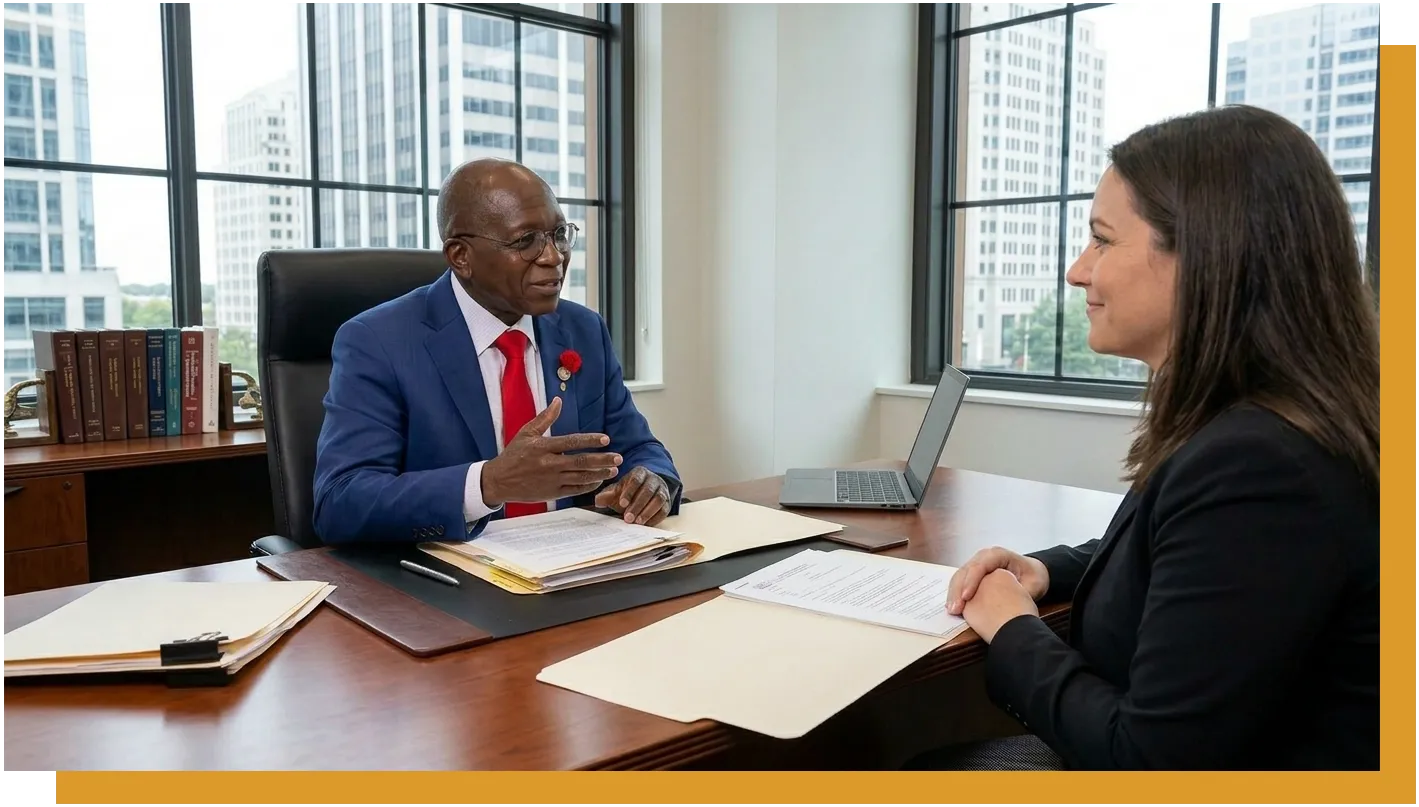
Frequently Asked Questions: Citizenship and Naturalization
Contact Our Citizenship Lawyers Today

Citizenship is the final step in your immigration journey, and the right preparation protects everything you have built. An experienced citizenship lawyer can tell you in one conversation whether you are ready to apply. Banker’s Hill Law Firm, A.P.C. represents clients across the United States from our office in San Diego. Call us today at (619) 230-0330 or contact our office online to schedule your Free Evaluation.